Yes, fibre is a non-essential nutrient, which means we can survive without fibre. However, why are we told to eat more fibre?
First of all…
What is fibre and what does it do?
Fibre refers to carbohydrates that cannot be digested, and this makes fibre unique from other nutrients!
There are 2 main types of fibre with different properties:
Soluble fibres
>Dissolve in water and form a gel that slows down digestion, therefore help with blood glucose control because food is digested more slowly, so glucose is released and absorbed into bloodstream more slowly. This means that soluble fibres can…
Prevent the development of type 2 diabetes and other related diseases like obesity.
Keep you full for longer as the gel helps food to stay in the small intestines for longer, as well as prevent large blood glucose spikes and subsequent dips. (Drop in blood glucose triggers hunger signals in body)
Prevent fatigue caused by blood glucose crashes - keep you energised throughout the day!
>Some soluble fibres can help lower ‘bad’ cholesterol levels and help prevent cardiovascular diseases.
>Some can even be ‘fermented’ - broken down by good bacteria in large intestine and produce compounds that provide various health benefits.
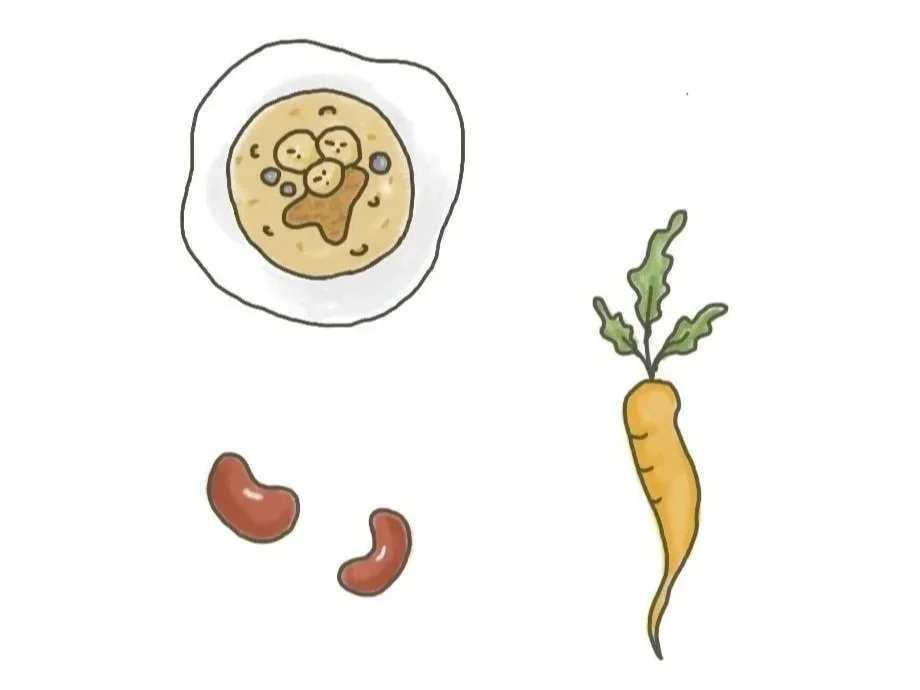
>Example sources: Fruit like banana, oats, carrot, beans…
Insoluble fibres
>Cannot dissolve in water but make your stool larger and heavier, therefore increase stool movement through intestines. This means that insoluble fibres can…
Prevent constipation.
Prevent bowel disease as harmful substances stay for a shorter period in your intestines.
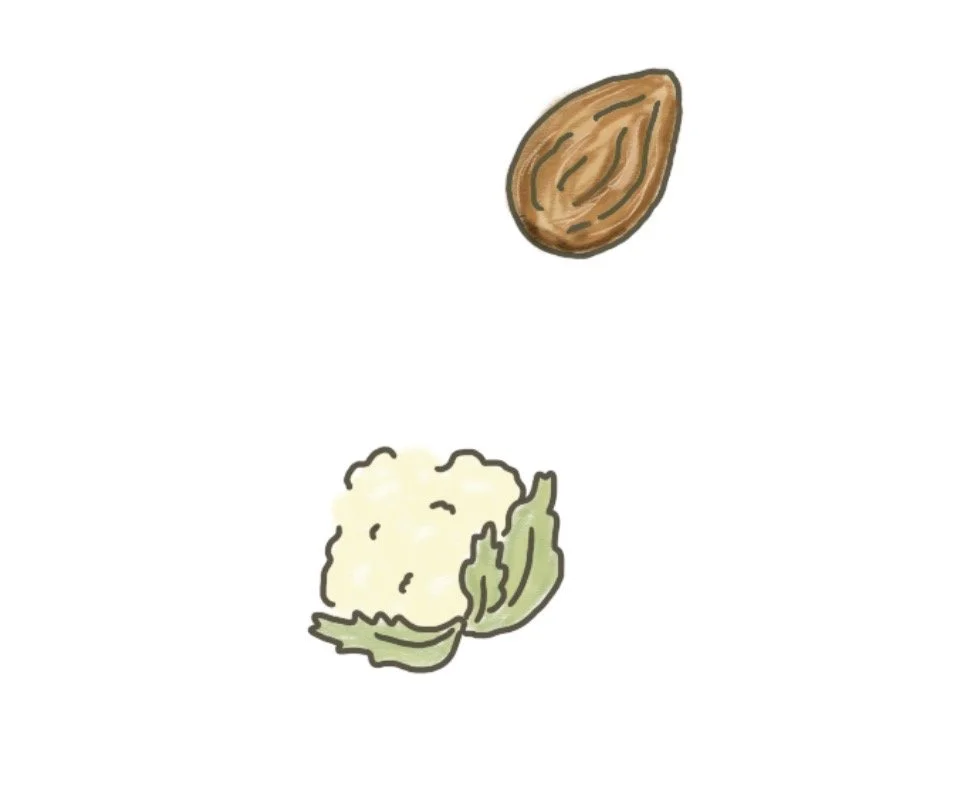
>Example sources: whole grains like brown rice, spinach, peanuts, chickpeas…
*It is important to consume a balanced amount of both types of fibre to prevent problems like constipation, so we should eat a variety of vegetables, fruit, legumes or wholegrain - Besides, different food provides different
amazing nutrients and can help you ‘gut microbiome’ to flourish as well!
How to add fibres to your meals easily?
It is recommended for an average adult to consume at least ~30g of fibre. (about 400g / 5 portions of vegetables and fruit, such as 1 medium apple or 1 bowl of salad)
My FANS tips to add more fibre to meals:
Frozen vegetables fruit : Throw some frozen carrot into your rice cooker or pot of boiling pasta to cook together - Not only they add vibrant colour and sweetness, frozen vegetables or fruit may be higher in nutritional content as their nutrients would not be lost during the long transport journey to your home.
Add at least one more colour to your plate : If you’re having curry for dinner, why not add some pickled red onions or cucumber for additional colours and refreshes you palate?
Never force yourself : No need to force yourself to eat food that you don’t like or increase your fibre intake dramatically - Start with eating more plants that you enjoy (like strawberries!) and ‘adding’ more fibre-rich food to your staple food (such as adding some wholewheat pasta to your usual pasta, instead of swapping all to wholewheat). As you eat more vegetables, fruit, legumes or wholegrain gradually, the more you would love and crave them, trust me on that!
Seasonal produce : If you can’t think of what vegetables to have on table, look up what are in season and add them to your meals, or simply find out what vegetables have their prices reduced. Not only they have even higher nutritional values (as they are grown in ideal conditions and less storage time since they are in abundance so could be restock quickly), they taste even more delicious as well. Try using a ‘lucky wheel app’ to help yourself decide!
However…
Suddenly increasing your fibre intake may cause some discomfort, such as bloating or constipation because your body isn’t quite used to dealing with larger amount of fibre - But nothing to worry! Apart from increasing your fibre intake gradually, you can try:
Have a short walk after a meal
Drink peppermint/ ginger/ fennel tea or just warm water after eating to aid digestion
Simple stretches that help digestion and de-bloating
Drink more water regularly during the day
Although fibre is not essential in survival, it is critical in preventing development of various diseases and maintaining good quality of life.
So, do you think fibre is important?
Reference
Gunnars, K. (2025) 22 high fiber foods. Healthline. Available at: https://www.healthline.com/nutrition/22-high-fiber-foods#faq (Accessed: 29 May 2026)
Mayo Clinic Staff (2025) 'Dietary Fiber: Essential for a healthy diet' Mayo Clinic, 24 December. Available at: https://www.mayoclinic.org/healthy-lifestyle/nutrition-and-healthy-eating/in-depth/fiber/art-20043983 (accessed: 29 May 2026)
Osmosis from Elsevier. Prebiotics & probiotics [Youtube Video] Avaiable at: https://youtu.be/0z47wLZ4-O4?si=aExYcH2O5aQYcngl (accessed: 19 November 2025)
P. K. Newby. (2018) Food & Nutrition - What Everyone Needs to Know. Oxford University Press
World Health Organization (2026) Healthy diet. Available at: https://www.who.int/news-room/fact-sheets/detail/healthy-diet (Accessed: 29 May 2026).
